
Hannah Ward is Art in Site’s Studio Manager, helping keep projects and people on track.
We sat down for a chat to find out more about her transition from fashion to healthcare design and why joining the business in 2023 was the best career decision to date.

No items found.
Q. Let's start with your background, Hannah. How did you end up working in healthcare design?
To be honest, my career decisions have been instinctive, rather than strategic!
Originally, I undertook a Degree in Textile, Print and Ceramics, but I didn't have a clear view of what I wanted to do afterwards. I worked part-time at high street retailer Burton’s, while at university, and loved working with clothes, so I decided to go into fashion buying from there.I moved to London and worked in that industry for about 11 years.
Q. What made you leave fashion buying?
It felt like a good time for a change. I wanted to work somewhere meaningful, with a team I could collaborate closely with. A focused, creative environment really appealed to me, and I was excited to learn about a completely new sector.
No items found.
Q. Why did you choose working for Art in Site?
I took the approach of writing down my values and the things I liked and didn't like. I wanted to work in a creative environment, somewhere small with just a few people, rather than a large organisation, and I wanted to work somewhere that did something purposeful - where I could really make a difference.
Q. But you hadn't heard of the business before?
No. I didn't know anything about the NHS world or clinical terms for that matter. There was a lot of ‘googling’ in the early days! But I think it helped that I was open to learning and eager to absorb as much information as I could.
Q. What does your role as Studio Manager involve?
My focus is on trying to put processes in place that work for everyone. The team works in quite different ways, so I try to be adaptable. I always do trial periods and seek feedback on new systems to see how we can evolve things as a team.
My aim is always to be inclusive, rather than simply telling people how things are going to work.
I’ve also done a lot of streamlining - whether that’s processes, subscription or general project and task management. I’m heavily involved in client communication too - making sure we’re responsive - whether that’s on the phone, via email or in person.
Q. Can you give me some specific examples?
Meeting and presentation prep is a great example. I ensure we always have pre-meetings, so actions are recorded, presentations are prepared; and there’s plenty of time for a dry run. There is so much creativity in the room it’s important it’s captured!
Q. Describe the team dynamics?
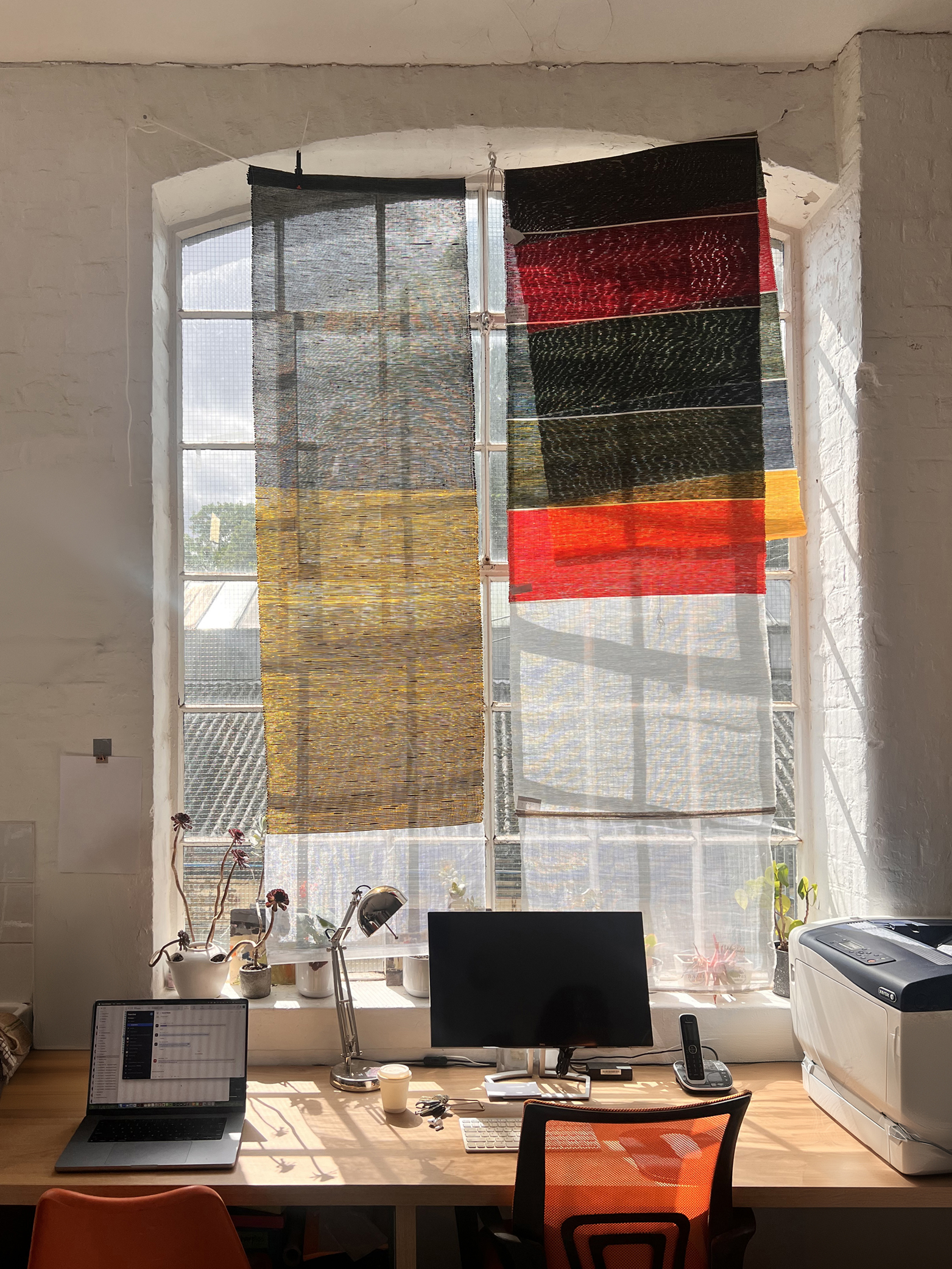
It’s been interesting how it’s changed post pandemic. When I joined, the team had moved to a new studio, but everyone had been home based for a while, so the studio was more storage than workspace. Now we’ve made it into a great collaborative space that everyone wants to come and spend time in.
Q. You mentioned implementing weekly studio days?
Yes, aside from Chloe who works in Cornwall, we all do two days a week at the studio. It was always going to be hard when people came back into the office from home working, but it’s been really positive, making projects move faster and creativity and conversation flow.
It really helps us break out of our bubbles and get feedback on what to prioritise: conversations can be quick and tightly focused, with no need to schedule Teams calls.
No items found.
No items found.
Q. How are you embracing new technology? Are you using AI for example?
Yes, we use tools like Notion and AI to generate meeting summaries and action points. It helps everyone stay on track and focus more on the creative side of things.
Q. Outside of work, what do you enjoy doing?
I really enjoy spending time outdoors, especially swimming with friends throughout the year — even during the colder months. It’s both energising and refreshing. And I love films and going to the cinema — my way to relax and unwind.
Q. What do you think makes Art in Site special as a workplace?
I feel lucky that I’ve been able to join the business, and work with the team. I didn’t have the conventional experience of a design studio manager, but fit is always more important than just experience: you can be the best person technically, but if you're not a great team fit and you don't feel comfortable, it doesn't work.
As a company, Art in Site has huge potential. I get to learn so much - I've attended architecture site visits and learned about the infrastructure of the NHS, which I would never have known about before. It's interesting looking at working in a different sector and seeing what you can bring back and apply.
No items found.
No items found.
No items found.
No items found.
Q. How do you find the balance between being process-driven and maintaining creativity?
That's the challenge, isn't it? I think the key is not being too rigid - introducing systems that work for the team - rather than forcing them to adapt to systems that don't fit their working style. Ultimately seeing process as a tool to unlock creativity, rather than hinder it.
Q. Finally, what would you say to other people considering a career change later in life?
I think sometimes that fresh perspective and different way of thinking about things can be valuable. Even though I hadn't been in a studio management role before, my experience in fashion buying taught me to be process-driven, to remember information, and to filter and track lots of different things simultaneously. Those skills transferred over, just with a different focus.
The most important thing was working out my values and what I wanted from work - not just what job title I should go for, but what kind of environment and purpose I wanted. That made all the difference.
No items found.
No items found.
No items found.
No items found.
No items found.